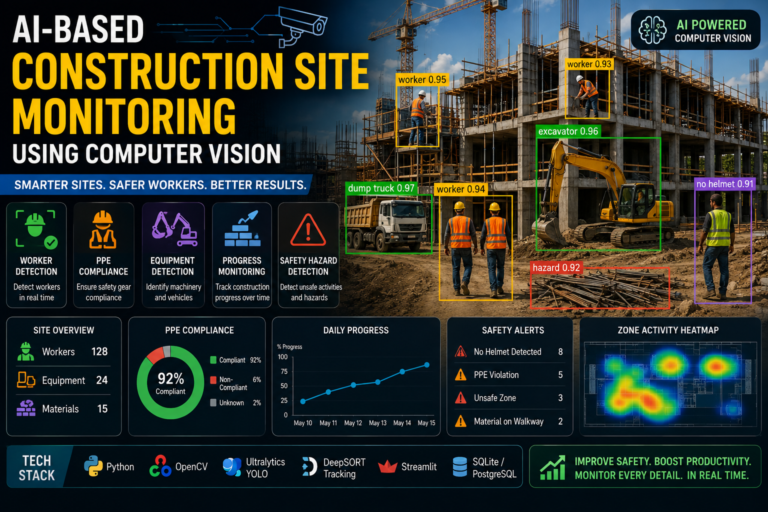
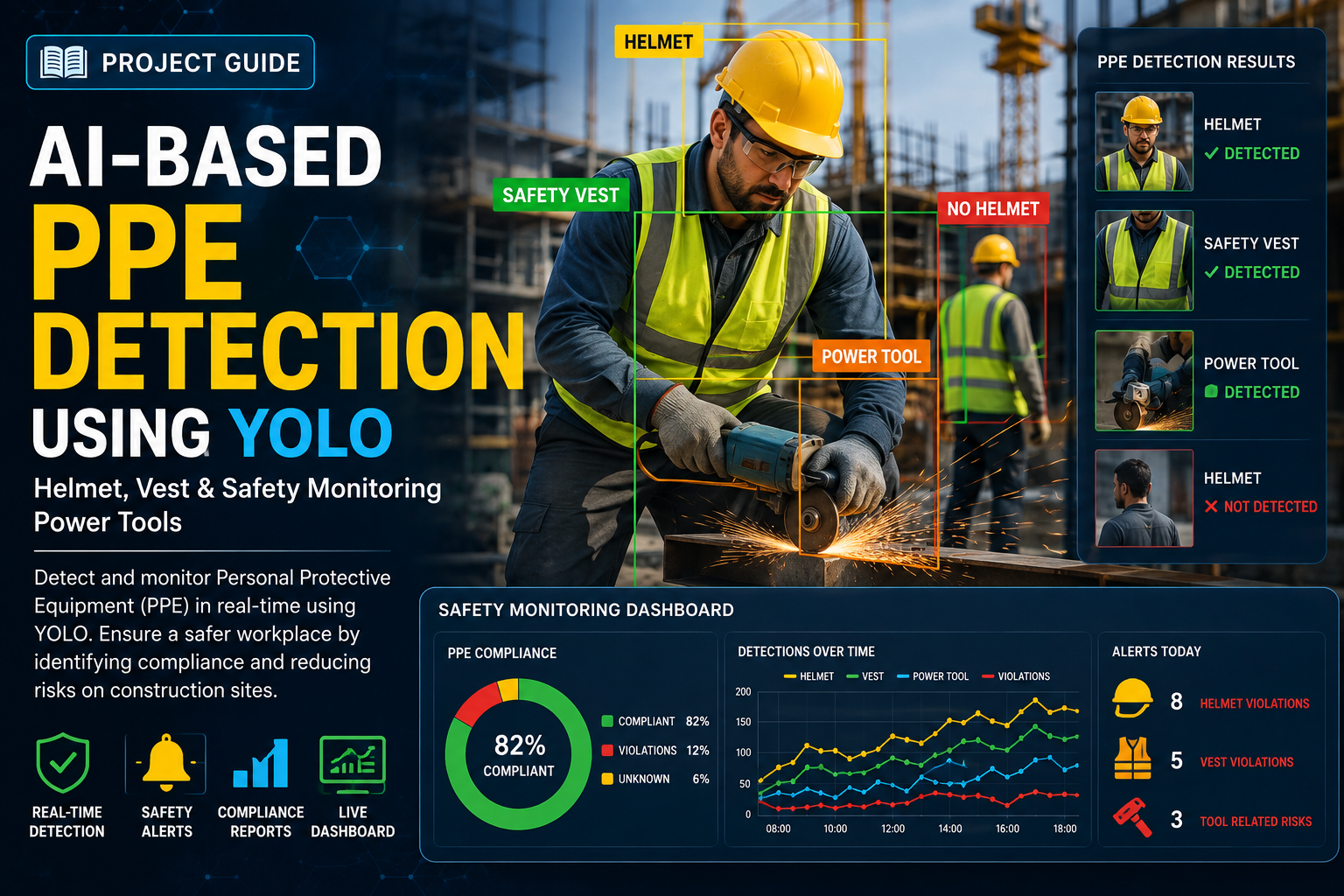
Are you worried about safety on your worksite? Imagine a system that instantly spots whether everyone is wearing their helmet and vest, keeping your team protected without you having to watch every second.
AI-based PPE detection using Yolo technology makes this possible. It’s like having an extra set of eyes that never blink, ensuring safety rules are followed in real time. You’ll discover how this smart solution can transform your safety monitoring, reduce risks, and give you peace of mind.
Keep reading to learn how you can make your workplace safer with cutting-edge AI technology.
Ai And Ppe Safety
AI is changing how workplaces manage safety gear. Personal protective equipment, or PPE, keeps workers safe. AI helps ensure everyone wears the right gear at the right time. This technology detects helmets, vests, and other safety items quickly. It supports safer work environments by spotting risks fast.
Importance Of Ppe In Workplaces
PPE protects workers from injuries and hazards. Helmets guard against head injuries. Safety vests make workers visible in busy areas. Without PPE, accidents can cause serious harm. Many jobs require specific gear to meet safety rules. Wearing PPE reduces the chance of accidents and saves lives.
Role Of Ai In Enhancing Safety
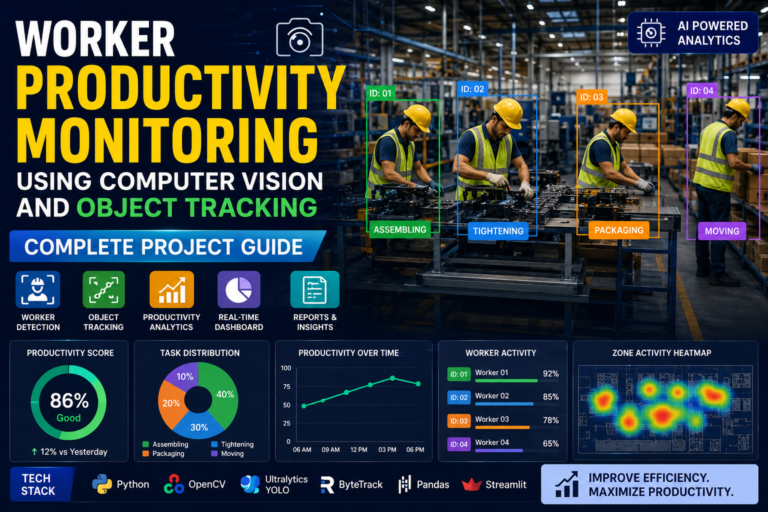
AI systems watch over work sites through cameras. They check if workers wear helmets and vests correctly. AI can alert supervisors instantly when PPE is missing. This helps fix safety issues before accidents happen. AI works 24/7 without breaks or tiredness. It supports human efforts to keep workplaces safer.
Benefits Of Automated Ppe Detection
Automated detection saves time and reduces errors. It scans many workers at once in real time. This means faster response to safety risks. The system keeps detailed records of compliance. It helps managers track safety trends and improve rules. Automated detection lowers costs by preventing injuries and fines.
Yolo Algorithm Basics
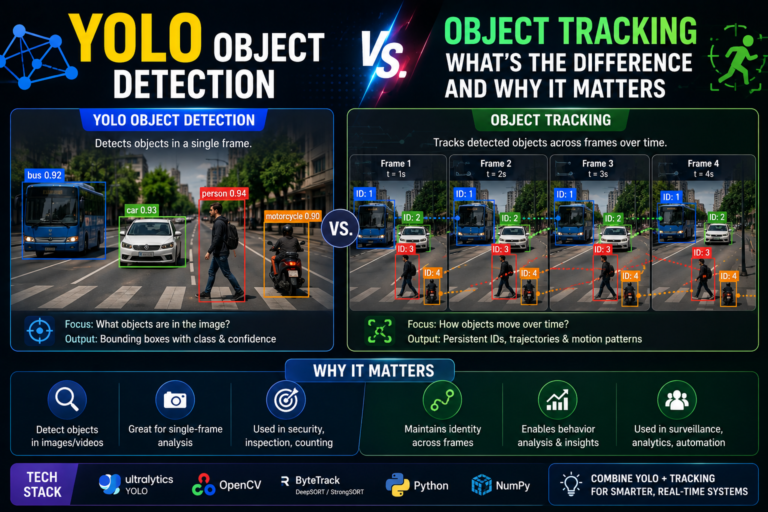
The YOLO algorithm is a popular method for detecting objects in images and videos. It helps computers recognize items like helmets, vests, and other safety gear fast. This ability makes it useful for AI-based PPE detection and safety monitoring.
YOLO stands for “You Only Look Once.” It processes the entire image at once, rather than scanning parts separately. This approach speeds up detection and keeps accuracy high.
How Yolo Works
YOLO divides the image into a grid. Each grid cell predicts bounding boxes and class probabilities. It looks at the whole image to understand where objects are and what they are. This method helps detect multiple items in one step. It avoids slow, step-by-step scanning.
Advantages Of Yolo For Object Detection
YOLO is very fast compared to other models. It can process video in real time. It also balances speed with accuracy. The model detects small and large objects well. It uses fewer resources, so it suits many devices. These strengths make YOLO ideal for safety monitoring.
Yolo Versions And Their Features
YOLO has evolved over time with new versions. YOLOv3 improved accuracy and detection of small objects. YOLOv4 made the model faster and more reliable. YOLOv5 focused on lighter weight for mobile use. Each version builds on past strengths to improve PPE detection.
Detecting Helmets With Yolo
Detecting helmets with YOLO (You Only Look Once) is an effective way to improve workplace safety. This AI-based method scans images or videos to find helmets quickly. It helps monitor if workers wear proper protective gear. The process uses deep learning to recognize helmets in real time. This allows for fast alerts and prevents accidents.
Training Data For Helmet Detection
Good training data is key to accurate helmet detection. The dataset must include many images of people wearing helmets. These images should show different angles, lighting, and helmet types. Also, images without helmets help the model learn what not to detect. Labeling each helmet precisely guides the AI during training. Diverse data improves the model’s ability to work in real settings.
Challenges In Identifying Helmets
Helmets can be hard to detect in some cases. Poor lighting or shadows may hide helmets. Helmets with colors similar to the background confuse the AI. People bending or turning their heads change helmet shapes. Objects blocking the view create extra difficulty. The model must learn to handle these challenges for better results.
Accuracy And Performance Metrics
Accuracy measures how well the model detects helmets. Precision shows the number of correct helmet detections. Recall measures how many helmets the model finds out of all helmets present. The balance between precision and recall is important. High accuracy means fewer false alarms and missed helmets. Testing the model on new images helps check its performance.
Vest Detection Techniques
Vest detection techniques play a crucial role in AI-based personal protective equipment (PPE) monitoring. Detecting safety vests accurately helps ensure workers follow safety protocols. It also reduces risks on construction sites and industrial areas. These techniques rely on deep learning models like YOLO to identify vests quickly and precisely.
Effective vest detection requires careful preparation and fine-tuning. The process starts with building a strong dataset and continues with optimizing the model. Real-time detection is essential for instant alerts and continuous safety monitoring. Each step is important for a reliable vest detection system.
Dataset Preparation For Vests
Creating a good dataset is the first step in vest detection. Collect diverse images showing different vest colors, shapes, and styles. Include various lighting and weather conditions. Label each vest clearly to help the model learn features. Balanced data prevents bias towards certain vest types.
Use tools to annotate vests precisely. High-quality labels improve detection accuracy. Split data into training, validation, and test sets for better model evaluation. More varied data leads to better real-world performance.
Model Optimization For Vest Recognition
YOLO models need tuning to detect vests accurately. Adjust parameters like learning rate and batch size for better results. Use augmentation techniques such as rotation and scaling. This helps the model handle different vest views and sizes.
Prune unnecessary layers to reduce model size. Smaller models run faster without losing accuracy. Train with mixed precision to speed up learning. Regularly test the model on new images to ensure steady improvement.
Real-time Detection Considerations
Real-time vest detection requires fast and efficient processing. Use lightweight versions of YOLO for quicker inference. Deploy models on edge devices close to the camera. This reduces delays and network dependency.
Optimize input image size for speed without losing detail. Implement non-maximum suppression to avoid duplicate vest detections. Monitor system latency to maintain smooth operation. Real-time alerts help supervisors act immediately on safety breaches.
Safety Monitoring For Power Tools
Safety monitoring for power tools is vital on many work sites. Power tools can cause serious injuries if used incorrectly. AI-based systems help spot unsafe actions and prevent accidents. These systems use advanced technology to watch workers and tools closely.
Using AI for safety checks improves the work environment. It makes sure workers wear the right protection and handle tools safely. This section explains how AI detects power tools, assesses risks, and sends alerts.
Integrating Power Tool Detection
AI models like YOLO can identify power tools in real time. Cameras capture video footage on site. The AI analyzes each frame to find tools such as drills, saws, and grinders. This detection helps track tool use and condition. It also checks if workers use tools properly.
Risk Assessment Using Ai
The AI system evaluates risks based on tool use and worker behavior. It detects unsafe actions like missing PPE or incorrect handling. The system scores risk levels to prioritize safety actions. This helps supervisors focus on urgent safety issues quickly.
Alert Systems And Notifications
AI sends instant alerts when it detects danger. Notifications reach workers and managers via mobile devices or control panels. Alerts may warn about missing helmets or unsafe power tool use. Quick warnings help prevent accidents before they happen.
Implementation Strategies
Implementing AI-based PPE detection using Yolo requires careful planning. It involves selecting the right hardware, integrating software, and deploying the system effectively. Each step ensures accurate monitoring of helmets, vests, and other safety gear. Proper strategies help maintain safety and reduce workplace accidents.
Hardware Requirements
The system needs cameras with good resolution to capture clear images. Cameras should cover all critical areas where workers wear PPE. A powerful computer or edge device is necessary to run the Yolo model in real-time. Devices with GPUs speed up the detection process. Reliable network connections ensure smooth data transfer between devices.
Software Integration
Yolo models must be integrated with existing safety monitoring software. The software should process video feeds and detect PPE violations instantly. Alert systems can notify supervisors through messages or alarms. Data storage solutions help keep records for compliance and review. User-friendly interfaces allow easy control and monitoring.
Deployment In Industrial Settings
Install cameras at entry points and high-risk zones for best coverage. Test the detection system under different lighting and weather conditions. Train staff to understand the system alerts and respond quickly. Regular maintenance keeps hardware and software working smoothly. Continuous updates improve accuracy and adapt to new safety rules.
Challenges And Solutions
Detecting personal protective equipment (PPE) like helmets and vests using AI brings many challenges. These challenges affect accuracy and reliability. Developers work hard to find solutions that improve detection under real-world conditions.
Addressing common problems ensures safety monitoring systems work well. This section covers key challenges and how they are solved.
Handling Occlusions And Lighting
Objects or people can block parts of the PPE, making detection hard. Poor lighting also reduces detection accuracy. Shadows and bright spots confuse the AI model.
Solutions include training the model with images that show occlusions and different lighting. Using data augmentation helps the AI learn to recognize PPE in tough conditions. Cameras with good resolution and lighting settings also improve results.
Dealing With False Positives
False positives occur when the system wrongly identifies objects as PPE. This wastes time and reduces trust in the system.
To reduce false positives, models are trained on diverse datasets. This teaches the AI to differentiate PPE from other objects. Filtering techniques and confidence thresholds help reject incorrect detections. Regular updates to the model improve accuracy over time.
Improving Model Robustness
Robust models perform well across many environments and scenarios. This is crucial for reliable safety monitoring.
Developers use varied training data from different sites and weather conditions. Fine-tuning the model on specific locations also helps. Combining multiple AI techniques can boost robustness. Continuous testing and feedback loops ensure the system adapts and stays accurate.
Future Trends
Future trends in AI-based PPE detection show strong potential for safety improvements. New technologies will improve accuracy and expand the scope of monitoring. These trends focus on smarter and more adaptive safety systems.
Advancements In Ai Detection
AI models will become faster and more precise at identifying helmets, vests, and other PPE. Improved algorithms will reduce false alarms and missed detections. Real-time analysis will allow instant alerts for unsafe conditions.
Expanding Ppe Categories
Detection will go beyond helmets and vests to include gloves, goggles, and masks. AI will learn to recognize more types of safety gear in various environments. This will help cover more industries and worker roles.
Smart Safety Systems Evolution
AI-based PPE detection will link with other smart systems on worksites. Cameras, sensors, and wearables will work together to monitor hazards. Automated reports will provide insights for better safety management.
Frequently Asked Questions
What Is Ai-based Ppe Detection Using Yolo?
AI-based PPE detection using YOLO is a technology that identifies safety gear like helmets and vests. YOLO, a real-time object detection system, helps monitor compliance on worksites efficiently. It improves safety by ensuring workers wear proper personal protective equipment.
How Does Yolo Detect Helmets And Safety Vests?
YOLO uses deep learning to analyze images and videos quickly. It identifies helmets and safety vests by recognizing their shapes and colors. The model processes data in real time, enabling instant alerts if PPE is missing or incorrectly worn.
Why Is Ai Ppe Monitoring Important For Safety?
AI PPE monitoring reduces workplace accidents by ensuring compliance with safety rules. It provides continuous, automated supervision without manual checks. This technology enhances worker protection and helps companies meet regulatory safety standards effectively.
Can Ai-based Ppe Detection Work In Different Environments?
Yes, AI-based PPE detection using YOLO adapts to various settings. It functions in construction sites, factories, and industrial areas. The system adjusts to lighting and background changes, maintaining accurate detection across different environments.
Conclusion
AI-based PPE detection with YOLO helps keep workers safe. It quickly finds helmets and vests in real time. This technology supports safety teams by reducing risks on site. It also saves time by automating monitoring tasks. Using AI makes safety checks more reliable and consistent.
As technology grows, workplaces can expect smarter safety solutions. Staying safe has never been easier or faster. This method shows how AI can protect lives every day.